This practical course trains learners to identify, create, and manage digital learning resources for online education. It covers the use of multimedia tools, interactive content, and e-learning platforms to enhance engagement and facilitate effective digital instruction in TVET programs.
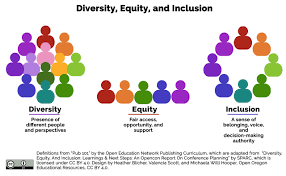
This course investigates the social, cultural, and economic factors that impact education in TVET contexts. It focuses on promoting equity, gender equality, and inclusive learning environments, equipping educators with the knowledge to address barriers, support marginalized groups, and foster diversity in technical institutions.
This course introduces the principles and practices of managing educational institutions, including policy implementation, resource allocation, human resource management, and organizational leadership. Learners gain practical skills to oversee operations, ensure institutional efficiency, and create effective administrative systems in TVET settings.
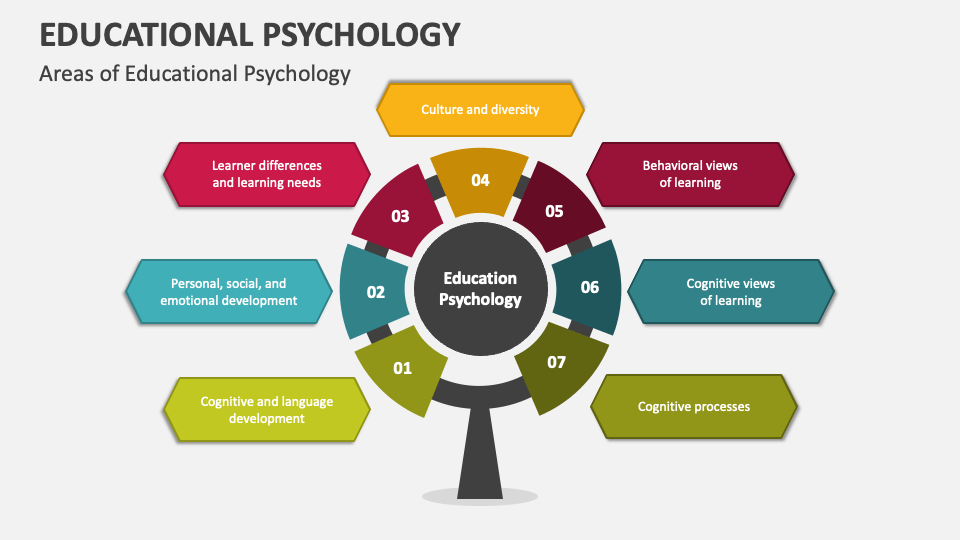
Learners explore the psychological principles of learning as they apply to technical and vocational education. The course examines cognitive development, motivation, learning styles, and other psychological factors that influence adult learners, enabling instructors to design effective, learner-centered training programs.
Learners explore the underlying purpose, values, and goals of Technical and Vocational Education and Training. The course emphasizes TVET’s role in workforce development, economic growth, and labor market alignment, enabling educators to connect teaching practices with societal and industrial needs.
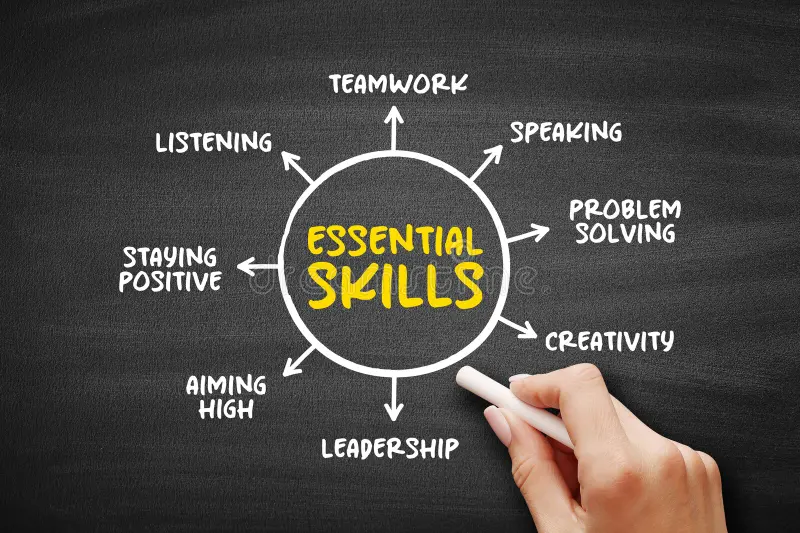
This course equips learners with foundational soft skills critical for professional success in the workplace. It covers communication, critical thinking, teamwork, problem-solving, and adaptability, emphasizing how these competencies enhance employability, workplace performance, and career progression within technical and vocational settings.